
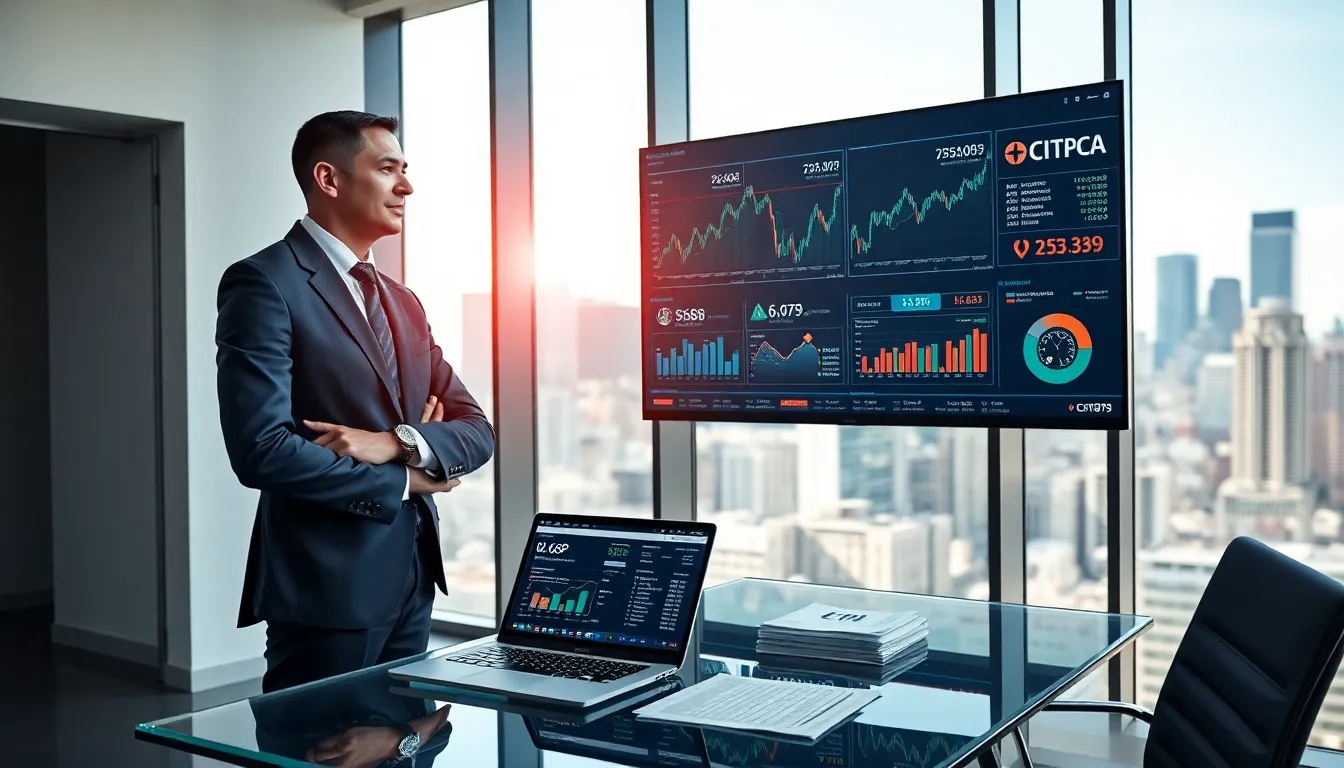
Economic trends tools help businesses, investors, and policymakers make sense of market shifts. These resources pull together data on employment, inflation, consumer spending, and other indicators that shape economic decisions.
Without reliable economic trends tools, professionals often rely on guesswork or outdated information. The right tools transform raw data into actionable insights. They highlight patterns, forecast changes, and reveal opportunities that might otherwise stay hidden.
This guide covers what economic trends tools do, which features matter most, and how to put them to work. Whether someone tracks markets daily or reviews quarterly reports, understanding these resources can sharpen their economic analysis.
Table of Contents
ToggleKey Takeaways
- Economic trends tools transform raw data into actionable insights, helping businesses, investors, and policymakers spot patterns and forecast market changes.
- Look for tools with broad data coverage, real-time updates, customization options, and strong forecasting capabilities to maximize analytical value.
- Free government platforms like FRED offer over 800,000 data series, while premium solutions like Bloomberg Terminal provide faster updates and deeper analysis.
- Combine multiple economic trends tools and cross-reference data sources to capture a complete picture and uncover important nuances.
- Focus on leading indicators such as purchasing manager indexes and jobless claims to get earlier warnings of potential economic shifts.
- Treat forecasts as informative guides rather than guarantees—external shocks can invalidate even the most sophisticated predictive models.
What Are Economic Trends Tools?
Economic trends tools are software platforms, databases, and analytical systems that collect, process, and display economic data. They turn numbers from various sources into charts, reports, and forecasts that users can act on.
These tools pull information from government agencies, financial institutions, and private research firms. They track indicators like GDP growth, unemployment rates, interest rates, and trade balances. Some focus on specific sectors, real estate, manufacturing, or retail, while others provide broad economic overviews.
The core purpose of economic trends tools is simple: they help users spot patterns. A spike in consumer confidence might signal increased retail spending. Rising energy costs could indicate inflationary pressure. These tools connect the dots between individual data points and larger economic movements.
Businesses use economic trends tools to plan inventory, hiring, and expansion. Investors rely on them to time market entries and exits. Governments apply them to shape fiscal and monetary policy. Academic researchers use them to test economic theories and model future scenarios.
Modern economic trends tools often include visualization features. Interactive graphs, heat maps, and dashboards make complex data easier to understand. Many platforms also offer alerts that notify users when key indicators cross certain thresholds.
Key Features to Look for in Economic Analysis Tools
Not all economic trends tools deliver equal value. Several features separate useful platforms from mediocre ones.
Data Coverage and Timeliness
The best economic trends tools provide broad data coverage. They should include domestic and international indicators. Real-time or near-real-time updates matter for traders and analysts who need current information. Historical data going back decades helps users identify long-term cycles.
Customization Options
Different users need different views. A portfolio manager might want currency exchange rates front and center. A retail executive might prioritize consumer spending metrics. Quality economic trends tools let users build custom dashboards and filter data by region, sector, or time period.
Forecasting Capabilities
Many economic trends tools include predictive models. These features use statistical methods and machine learning to project future indicator values. While no forecast is perfect, well-designed models can highlight likely outcomes and risk scenarios.
Integration and Export
Professionals often need to move data into spreadsheets, presentations, or other software. Strong economic trends tools support API connections and multiple export formats. This flexibility saves time and reduces manual data entry errors.
User Interface Design
Even powerful tools fail if they’re hard to use. Clean layouts, logical navigation, and responsive design make economic trends tools more practical. Mobile access has also become essential for users who monitor markets on the go.
Reliability and Support
Data accuracy is non-negotiable. Users should verify that economic trends tools source information from credible institutions. Responsive customer support and clear documentation help when questions arise.
Top Types of Economic Trends Tools
Economic trends tools fall into two main categories. Each type serves different needs and budgets.
Government and Institutional Data Platforms
Government agencies publish enormous amounts of economic data, often for free. The U.S. Bureau of Economic Analysis (BEA) provides GDP estimates, personal income figures, and trade statistics. The Bureau of Labor Statistics (BLS) covers employment, wages, and inflation through the Consumer Price Index.
The Federal Reserve Economic Data (FRED) platform stands out among government economic trends tools. FRED offers over 800,000 data series from 100+ sources. Users can build charts, download datasets, and embed graphs directly into websites. It’s become a go-to resource for economists, journalists, and students alike.
International organizations offer their own economic trends tools. The World Bank’s Open Data platform covers 200+ economies. The International Monetary Fund (IMF) publishes global economic outlook reports and financial statistics. These institutional tools provide standardized data that allows cross-country comparisons.
The main advantage of government and institutional economic trends tools? They’re authoritative and affordable (usually free). The downside is that some data releases lag by weeks or months.
Private Sector Analytics Solutions
Private companies fill gaps that government data can’t cover. Bloomberg Terminal remains the gold standard for financial professionals. It combines real-time market data, news feeds, and economic indicators in one subscription platform. The cost is significant, around $24,000 per year, but heavy users consider it essential.
Refinitiv (formerly Thomson Reuters) offers similar economic trends tools through its Eikon platform. S&P Global Market Intelligence provides sector-specific analysis and credit ratings data.
More affordable options exist for smaller organizations and individual users. Trading Economics aggregates data from 196 countries and offers subscription tiers starting at lower price points. Statista bundles economic statistics with industry research and survey data.
Private economic trends tools often deliver faster updates and deeper analysis than free alternatives. They also provide customer support and training that government platforms lack. The tradeoff is cost, subscriptions can run from hundreds to thousands of dollars monthly.
How to Use Economic Trends Tools Effectively
Having access to economic trends tools is just the start. Using them well requires strategy and discipline.
Define Clear Objectives
Before diving into data, users should identify what they’re trying to learn. Are they forecasting next quarter’s sales? Evaluating a potential acquisition? Testing an investment thesis? Clear goals help users focus on relevant indicators and avoid information overload.
Combine Multiple Sources
No single platform captures every economic signal. Smart analysts cross-reference data from several economic trends tools. They might check official government releases, then compare those figures against private sector estimates. Discrepancies often reveal important nuances.
Track Leading Indicators
Some economic metrics predict future activity better than others. Purchasing manager indexes, building permits, and initial jobless claims tend to shift before broader economic changes appear. Economic trends tools that highlight leading indicators give users earlier warning of potential turns.
Build Routine Review Cycles
Economic data follows predictable release schedules. Jobs reports come out monthly. GDP estimates arrive quarterly. Users should set calendar reminders and establish regular review sessions with their economic trends tools. Consistency beats sporadic deep dives.
Document Insights and Assumptions
When economic trends tools reveal something notable, users should write it down. Recording observations creates a reference for future analysis. It also forces clearer thinking, vague hunches become concrete hypotheses that can be tested over time.
Stay Skeptical of Forecasts
Economic trends tools with predictive features deserve healthy skepticism. Models rely on historical patterns that may not repeat. External shocks, pandemics, geopolitical events, natural disasters, can invalidate even sophisticated projections. Forecasts should inform decisions, not dictate them.